
2026-10-06 · David Miller
Spotting Early Signs of Hidden Burst Pipes in Indian Trail Homes
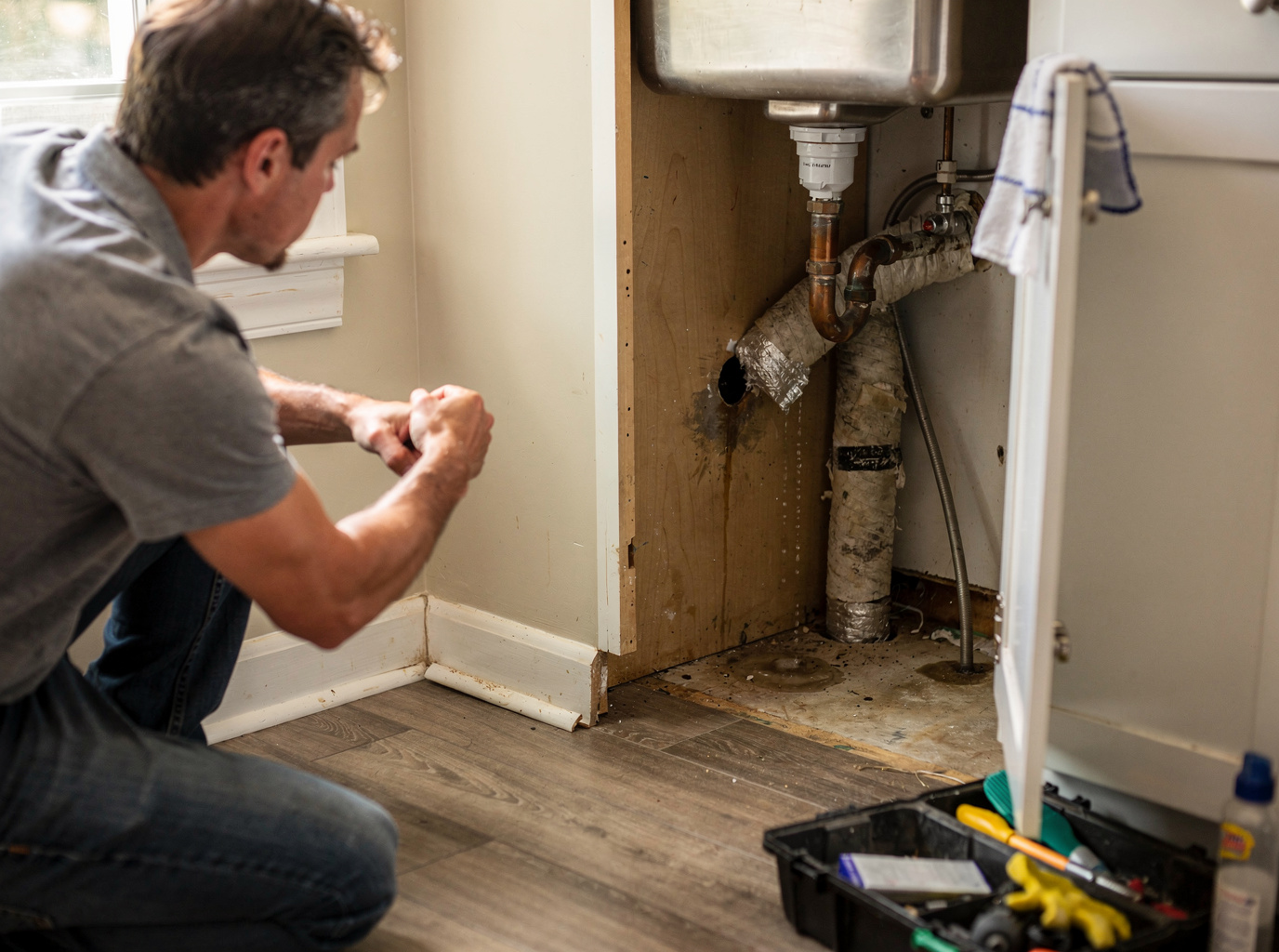
Spotting the early signs of hidden burst pipes in your Indian Trail home is crucial, as delayed detection can escalate a minor leak into a major structural and financial headache. While a sudden gush of water is an obvious indicator, many burst pipes start subtly, often concealed within walls, ceilings, or under floors. For homeowners in Brandon Oaks, Lake Park, or Wesley Chapel, understanding these nuanced clues can be the difference between a quick fix and extensive water damage. Given our humid subtropical climate with hot summers, and the age of many homes in Union County, pipes are constantly under stress from temperature fluctuations and general wear, making vigilant observation essential. Catching these early warnings can help you address the issue promptly, potentially saving thousands in remediation and repair costs.
Understanding Your Home's Plumbing in Indian Trail
Many homes in Indian Trail, from the older builds near Indian Trail Town Hall Park to newer developments, feature a mix of plumbing materials. Copper pipes were common for decades, known for their longevity, but even they can corrode or develop pinhole leaks over time, especially with local water conditions. PEX (cross-linked polyethylene) is now widely used in newer constructions and renovations, offering flexibility and resistance to freezing, but it's not immune to damage from punctures or improper installation. Galvanized steel pipes, found in some older properties, are particularly prone to internal corrosion, which can restrict water flow and eventually lead to bursts. Knowing your home's pipe material can give you an edge in anticipating potential issues. For instance, galvanized pipes often show rust-colored water as an early sign of internal degradation, while copper might develop green or blue stains around a leak point. Understanding these specifics helps you interpret the subtle signs of a hidden burst.
Unexplained Water Bill Spikes
One of the most telling, yet often overlooked, signs of a hidden burst pipe is an unexplained increase in your water bill. If your usage habits haven't changed, but your bill has jumped significantly, it's a strong indicator that water is escaping somewhere within your plumbing system. This is particularly relevant in Indian Trail, where the cost of municipal water can add up quickly. A continuous leak, even a small one, can waste hundreds of gallons of water per day, translating into a substantial financial hit. Before dismissing it as a clerical error, check all visible fixtures for leaks. If none are apparent, the leak is likely hidden. You can also perform a simple water meter test: turn off all water-consuming appliances and faucets in your home, then check your water meter. If the meter is still moving, you have a leak. This method can confirm a hidden leak, prompting you to investigate further before it becomes a major problem like a burst pipe causing water damage.
Damp Spots, Stains, or Discoloration on Walls or Ceilings
Visible dampness, water stains, or discoloration on your walls, ceilings, or floors are classic indicators of a hidden pipe leak, and potentially a burst. In a humid climate like ours, these signs can sometimes be mistaken for condensation or minor roof leaks, but if they appear consistently and are accompanied by other symptoms, a pipe issue is likely. Pay close attention to areas near bathrooms, kitchens, laundry rooms, or any wall that backs up to plumbing. A ceiling stain that grows over time, especially on the first floor under an upstairs bathroom, almost always points to a plumbing problem above. Similarly, damp patches on walls that feel cool or spongy to the touch, even when there hasn't been rain, are red flags. These areas indicate that water is saturating building materials, which can quickly lead to mold growth and structural damage. If you notice a damp spot, gently press on the area to check for softness; this could indicate extensive water absorption behind the surface.
Musty Odors and Mold Growth
Hidden water leaks, especially from burst pipes, create ideal conditions for mold and mildew growth. If you start noticing a persistent musty or earthy odor in a specific area of your home, even if you can't see any visible water, it's a strong sign that moisture is present behind walls, under flooring, or in other concealed spaces. This is particularly true in Indian Trail's humid environment, where mold spores thrive. Mold can grow rapidly on damp drywall, wood, and insulation, not only causing structural damage but also posing health risks. Don't ignore these smells; they are often the first sensory indication of a hidden leak. While you might not see the mold itself, its distinctive odor is a clear signal that a pipe leak repair is needed. Addressing the leak promptly will prevent further mold proliferation and the associated health and structural issues.
Decreased Water Pressure or Unexpected Noises
A sudden or gradual decrease in water pressure can sometimes be a symptom of a hidden burst pipe. When a pipe bursts, even a small crack allows water to escape the system, reducing the pressure available at your faucets and showerheads. If you notice a significant drop in pressure throughout your home, or even just in one specific area, it's worth investigating. Another often-overlooked sign is unusual noises coming from your plumbing. This could include a constant dripping sound behind a wall, a gurgling noise, or even a subtle hissing sound, indicating water escaping under pressure. These sounds are more noticeable when the house is quiet, such as at night. For homes in Monroe or Matthews, where water pressure can vary, it’s important to distinguish between typical fluctuations and a consistent, abnormal drop. If you hear water running when no fixtures are in use, it’s a definitive sign of a leak, potentially a burst water line repair situation.